Summary
To design the next generation of its industry-leading mapping drone, Wingtra transitioned from a traditional hardware-heavy approach to a simulation-first digital workflow. By partnering with AirShaper, Wingtra integrated automated, cloud-based CFD into the earliest stages of development.
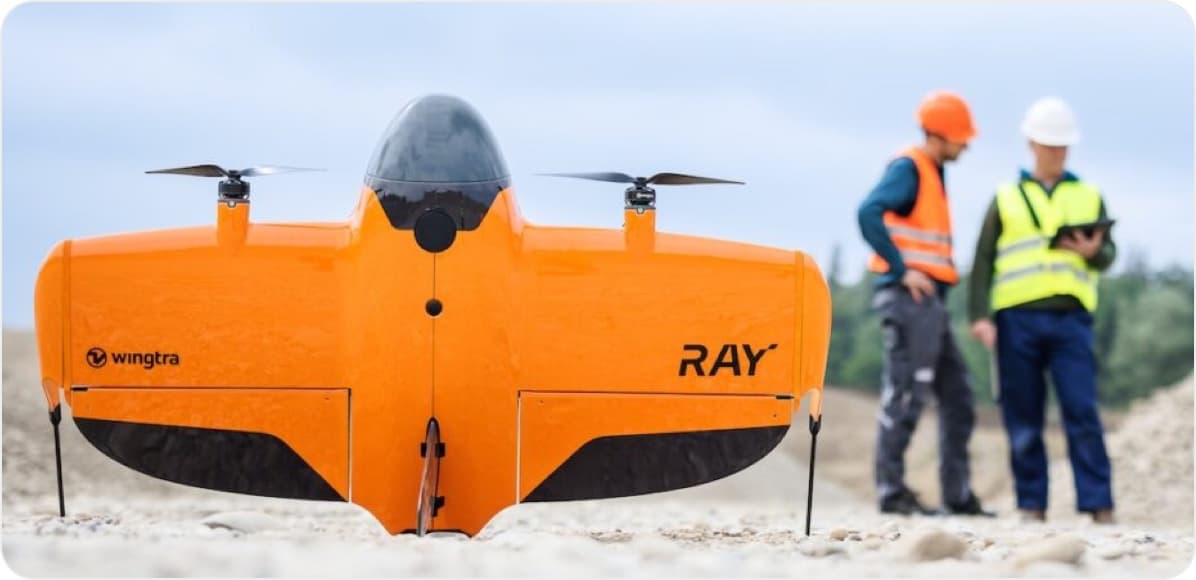
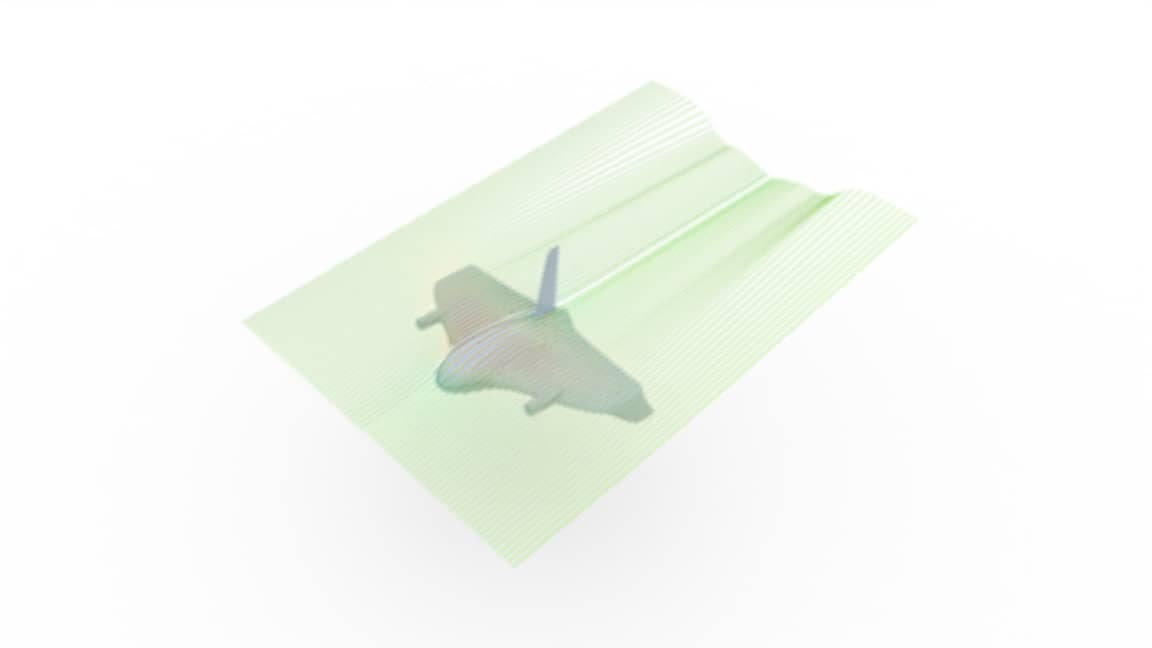
The Result: This collaboration allowed the team to evaluate over 180 airframe variants in just six months, resulting in the WingtraRAY — a VTOL (Vertical Take-Off and Landing) UAV that boasts a 12% increase in aerodynamic efficiency and a 56% boost in payload capacity.
The ChallengeComplex Engineering and Design Problem
Designing a professional mapping drone like the WingtraOne or the new WingtraRAY presents a complex, multi-variable engineering problem. As a tailsitter fixed-wing aircraft, the drone must perform flawlessly in two opposing flight modes:
- Hover Mode Challenge: Demands unique aerodynamic strategies for stability during vertical takeoff and landing.
- Cruise Flight Mode Challenge: Requires high efficiency and stability, even in turbulent crosswinds, to maximize battery life and geospatial accuracy.
The Bottlenecks:
- Competing Constraints: Balancing a high-aspect-ratio wing for 60+ minutes of flight with a compact, transportable size.
- Variable Payloads: Each new sensor or camera shifts the center of gravity and changes the aerodynamic profile.
- Slow Iteration: Classical methods and manual CFD were too slow to provide the "near real-time" insights needed for rapid prototyping.
Rapid Iteration with a Virtual Wind Tunnel
Wingtra treated aerodynamics as a core strategic pillar rather than a final optimization step. By involving AirShaper from the ideation and sizing stages, they could run "A vs. B" concept trade-offs with almost immediate feedback.
“Running a sim with over a million cells and getting results back in under 10 minutes — that's what modern UAV development demands.”
Key Features Utilized:
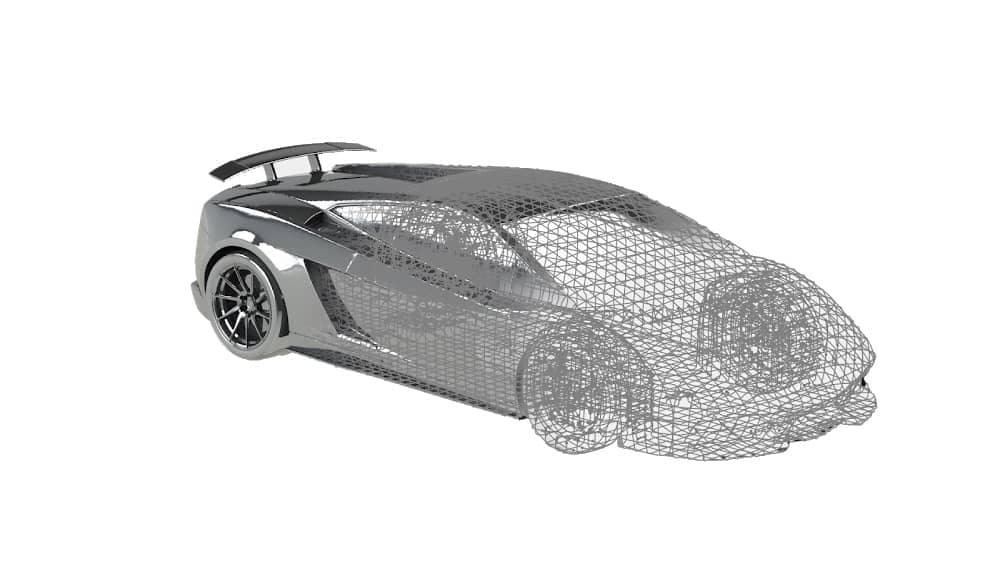
- Automated Meshing: AirShaper eliminated the manual labor of creating complex meshes around the drone's geometry.
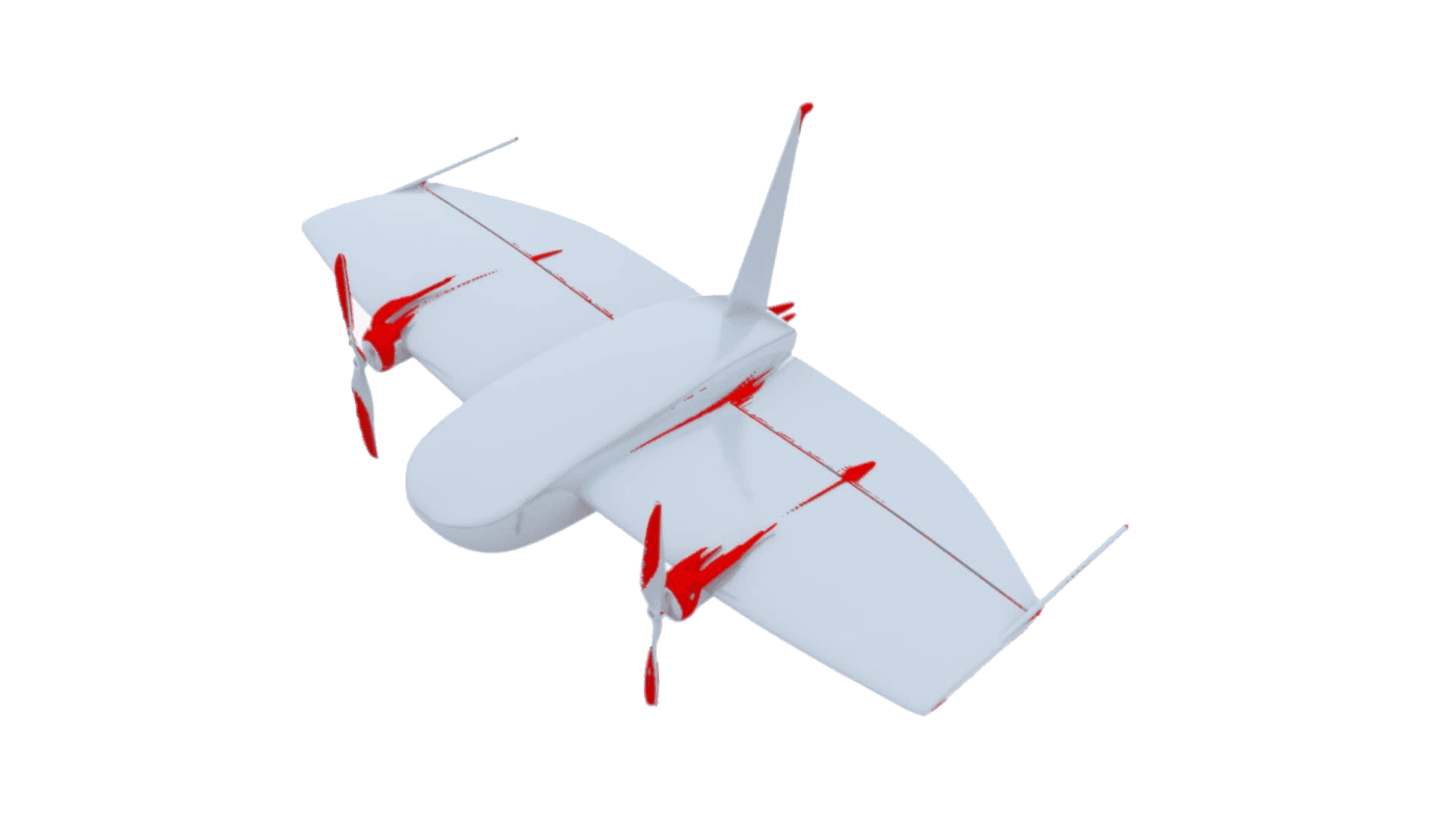
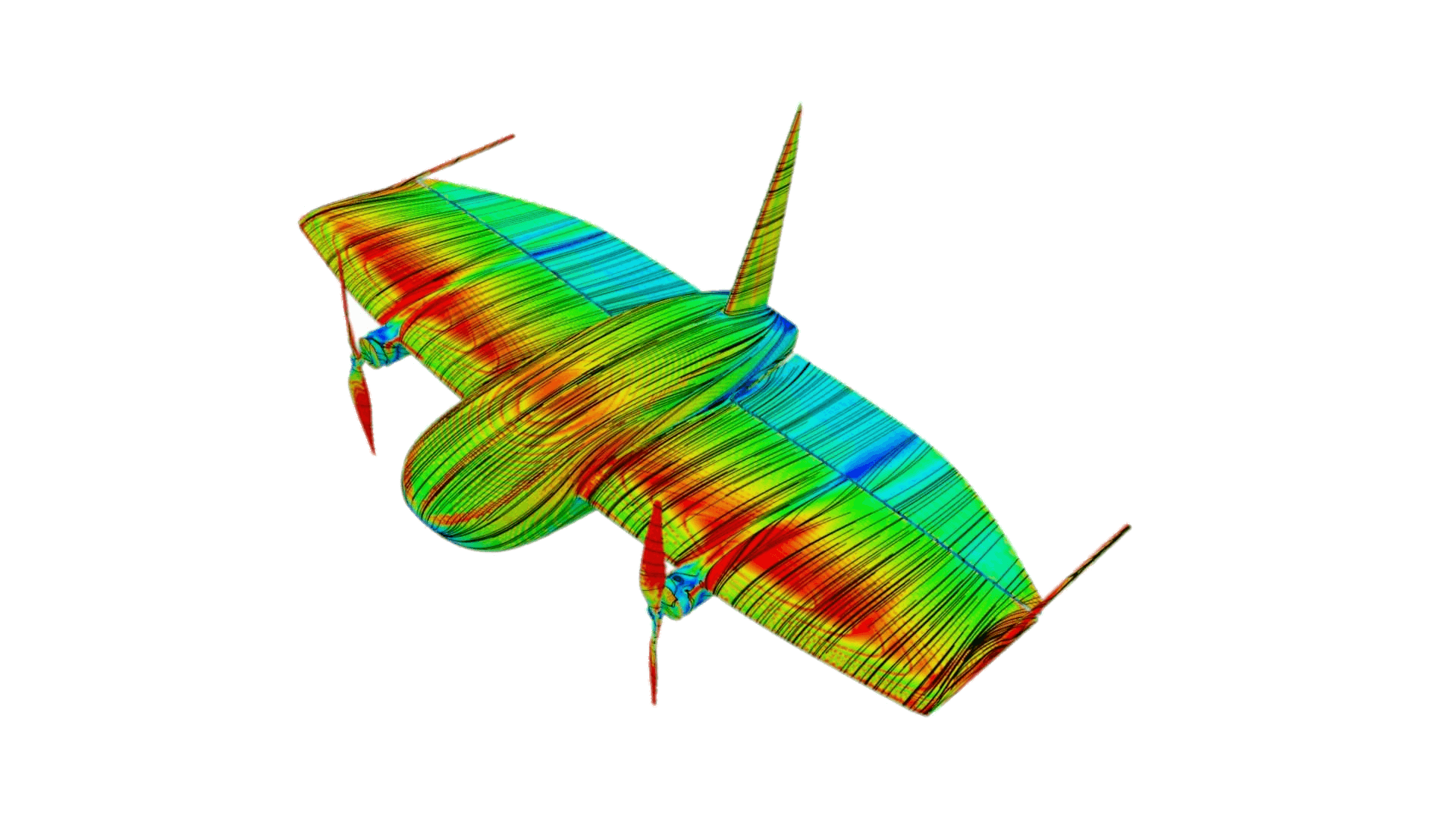
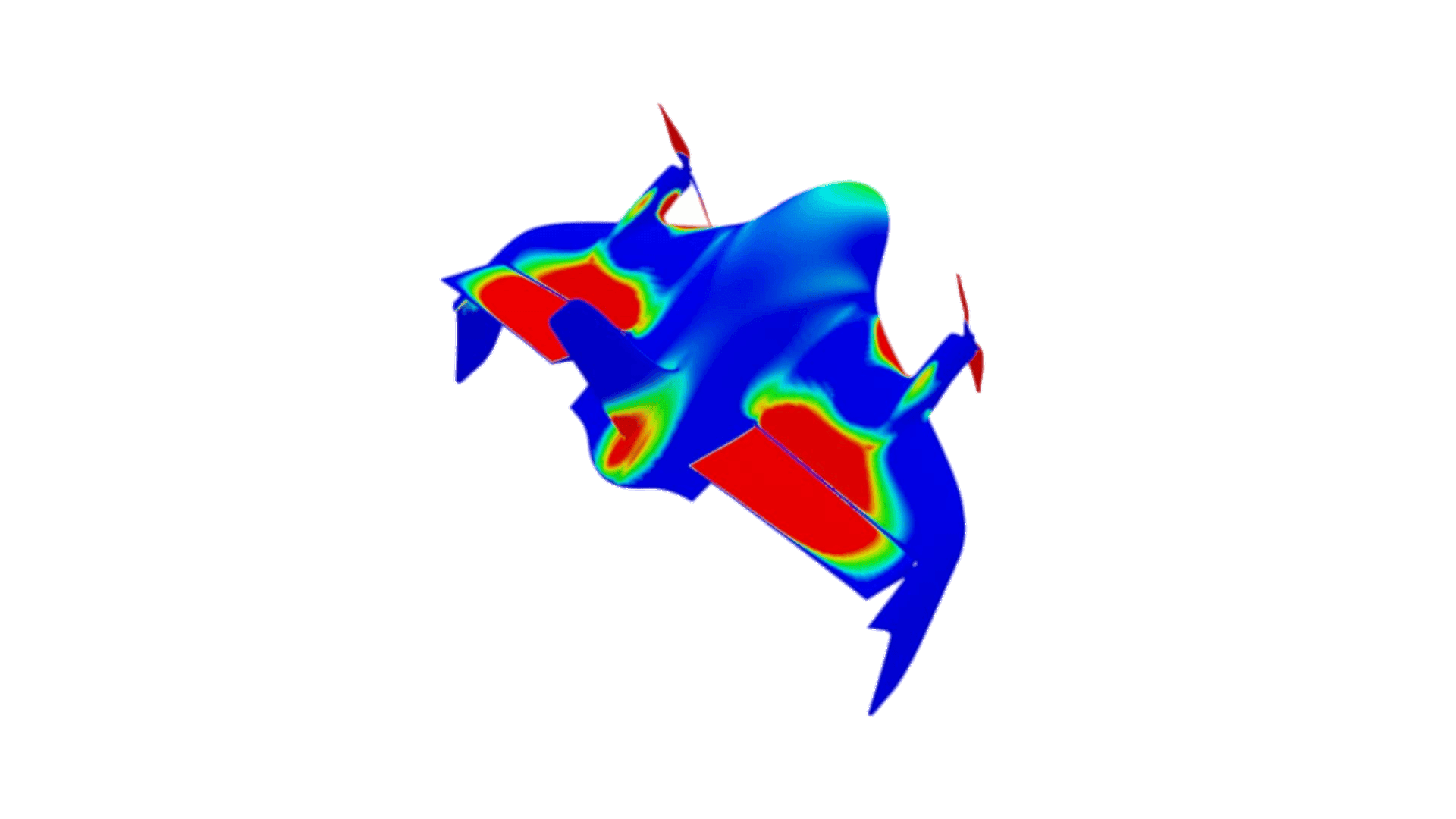
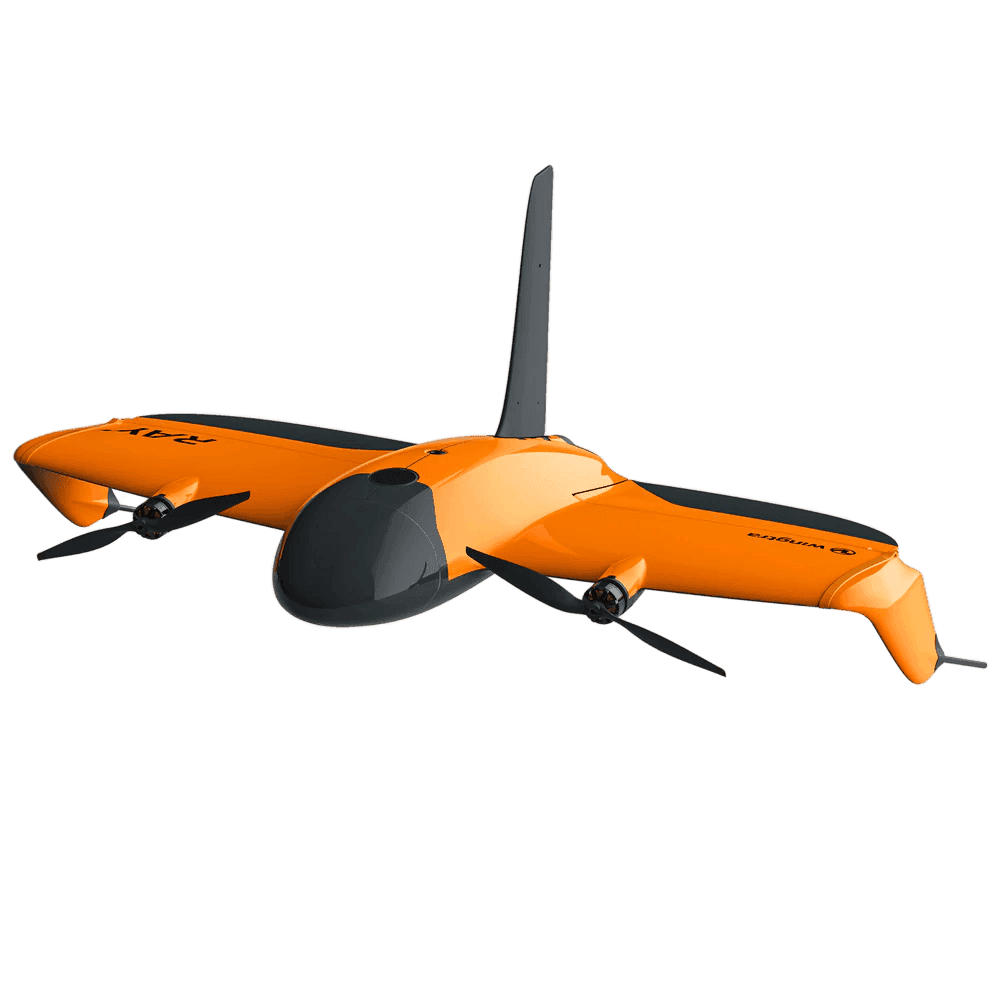
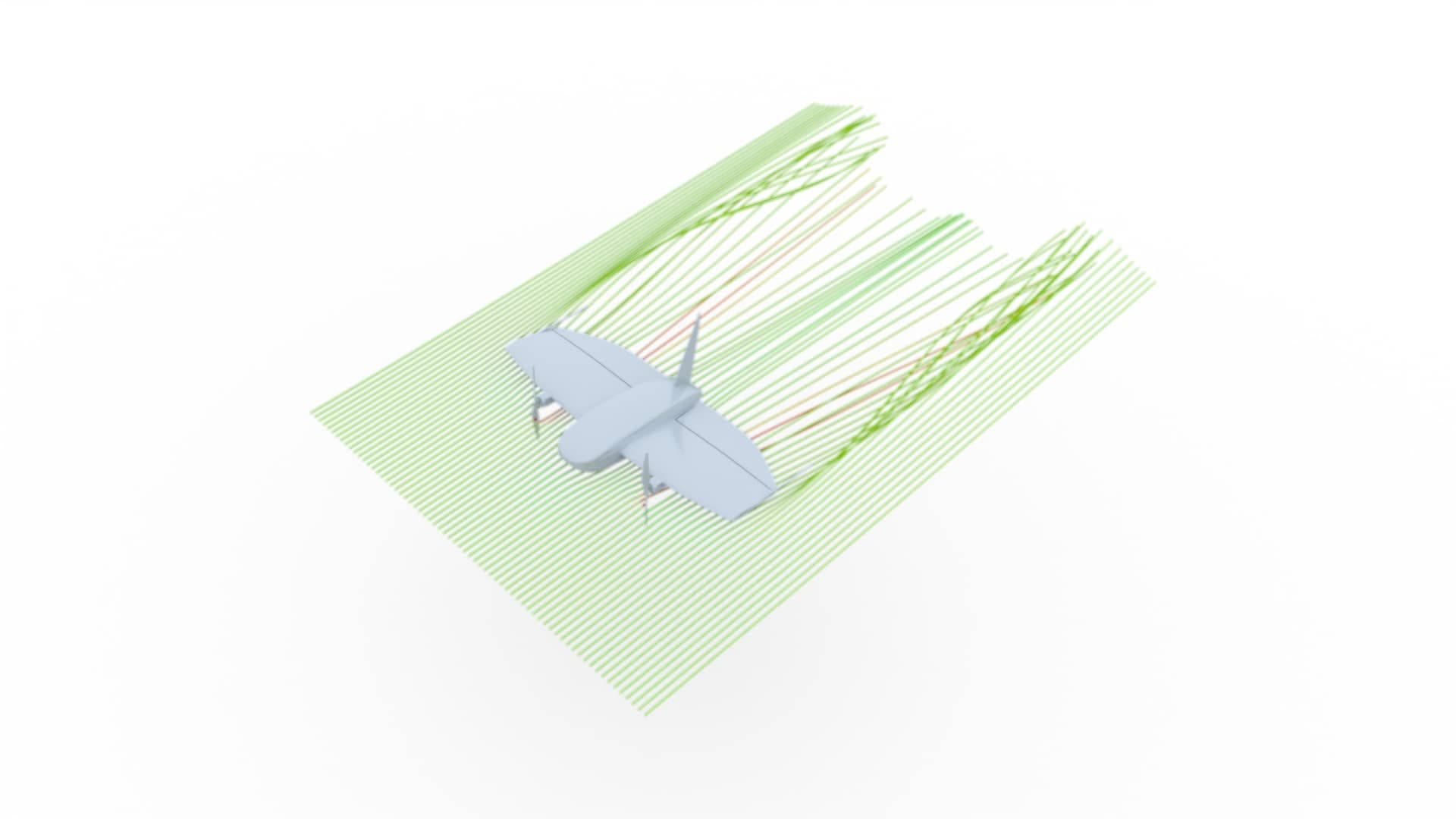
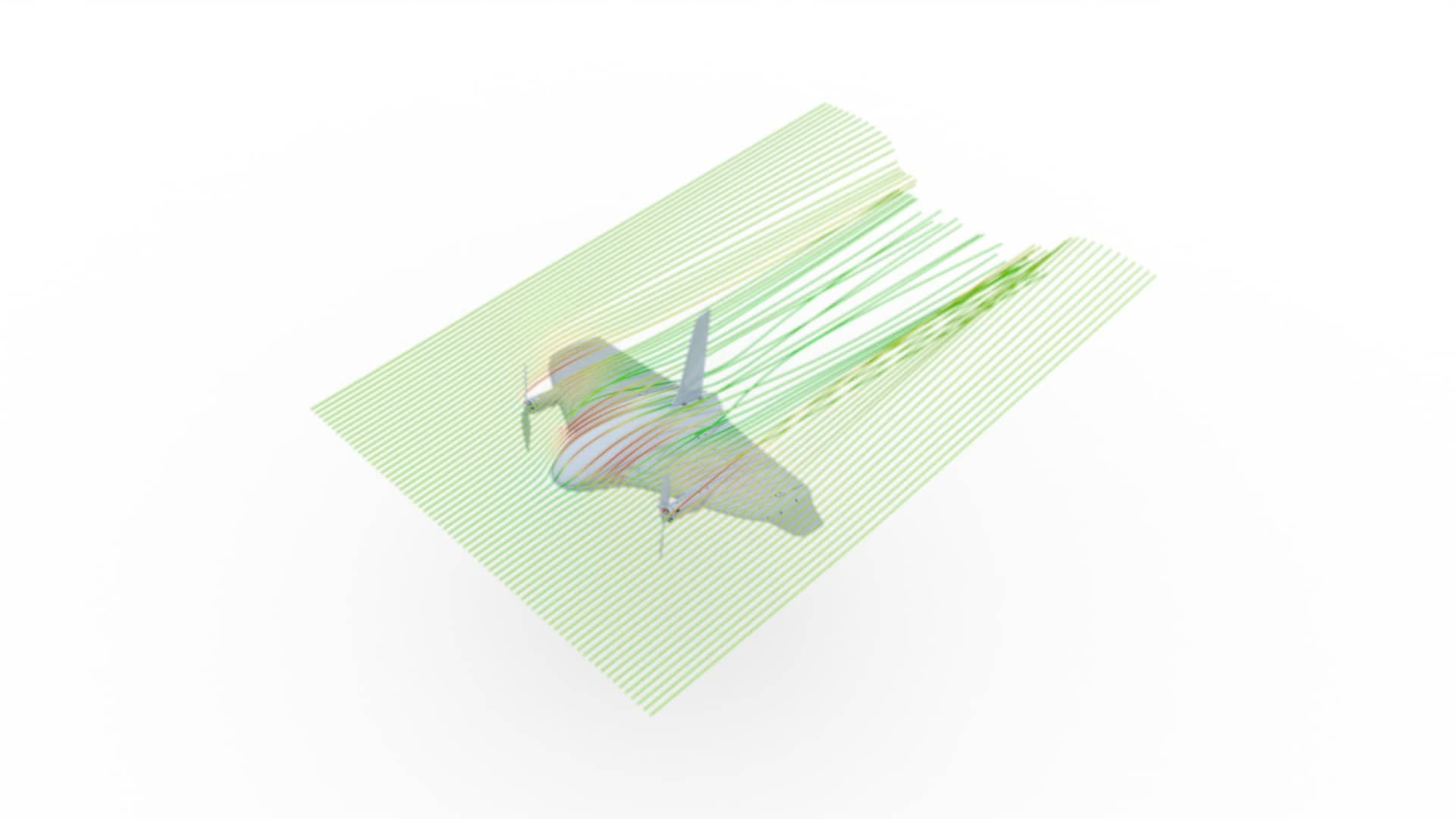
- Detailed Aerodynamic Reports: The platform provided Wingtra with critical data, including lift and drag coefficients, surface pressure maps, and 3D flow streamlines.
- Sweep Tools / Cloud Scalability: Because the platform is cloud-based, Wingtra could run multiple simulations in parallel, testing different design iterations simultaneously without taxing internal computing resources.
Technical Application
- Optimized Payload Integration: When Wingtra integrates a new camera or sensor, they use AirShaper to simulate how the addition affects drag. This allows them to design enclosures that minimize "flow separation" and maintain the aircraft's range.
- Enhanced Flight Efficiency: Small changes to wing geometry lead to significant gains in flight time. AirShaper allowed Wingtra to visualize air pressure distribution and wake turbulence, refining the shape for maximum lift-to-drag ratios.
Significant Increase in Efficiency and Payload Capacity
By leveraging AirShaper, Wingtra transformed their R&D process from a linear, hardware-heavy approach to a fast, data-driven workflow. By identifying aerodynamic issues in the digital phase, Wingtra achieved a level of maturity that typically takes years of development.
Breaking the Iteration Record
In just six months, Wingtra evaluated over 180 airframe variants. This unprecedented pace allowed the team to explore "wildcard" ideas — such as radical winglet-to-wing transitions — that would typically be sidelined due to time constraints in a traditional development cycle.
Strategic Business Impact: Faster Time-to-Market
By resolving aerodynamic flaws digitally, Wingtra avoided costly physical prototype failures. This rapid feedback loop ensured that the first physical models were already high-performing and validated, significantly shortening the development cycle.
Performance Gains at a Glance
| Metric | Improvement / Result |
|---|---|
| Aerodynamic Efficiency (L/D) | +12% increase |
| Field Efficiency | +20% increase |
| Payload Capacity (Weight) | +56% increase |
| Payload Capacity (Volume) | +59% increase |
| Flight Time | 60+ minutes |
| Deployment Speed | < 30s setup time |
| Design Iterations | 180+ variants in 6 months |
“AirShaper allows us to quickly iterate on our designs and see the impact of even small changes on the aerodynamic performance of our drones.”
Conclusion
The partnership between Wingtra and AirShaper has set a new standard for drone innovation. By removing traditional CFD bottlenecks, AirShaper reduced iteration times from days to hours, allowing Wingtra to achieve a level of aerodynamic maturity typically only seen after years of development.
“The fast turnaround let us try ideas we normally wouldn't have time for. We could test, learn, and adapt, all within a day. It completely changed how we approached aerodynamic design.”
The result is a UAV that flies farther, carries more, and deploys faster — an aerial data capture solution built on aerodynamic insights from day one.