Summary
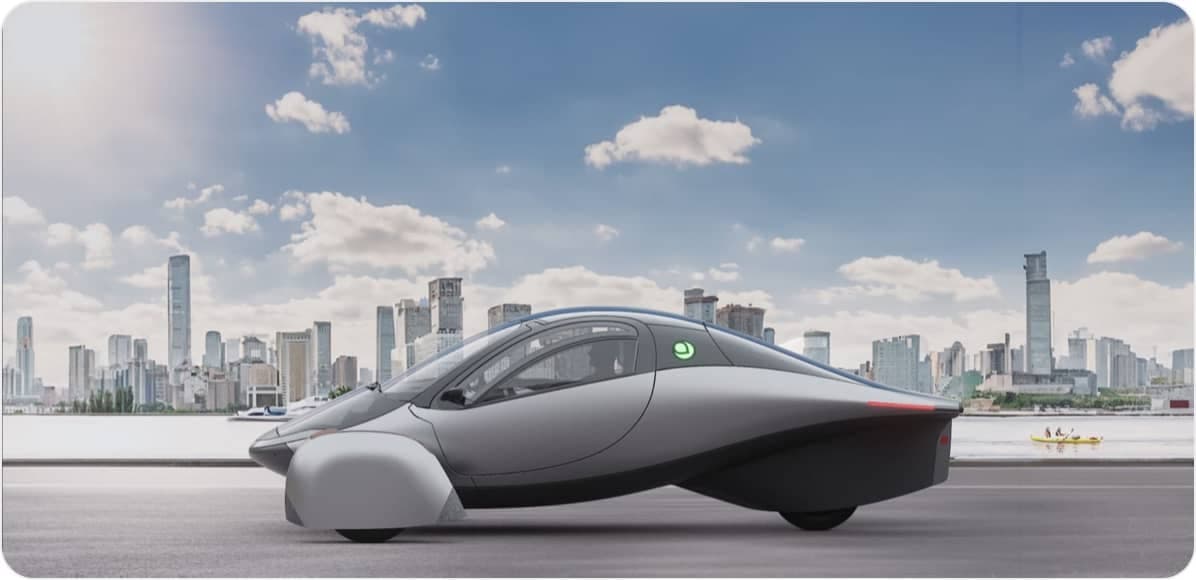
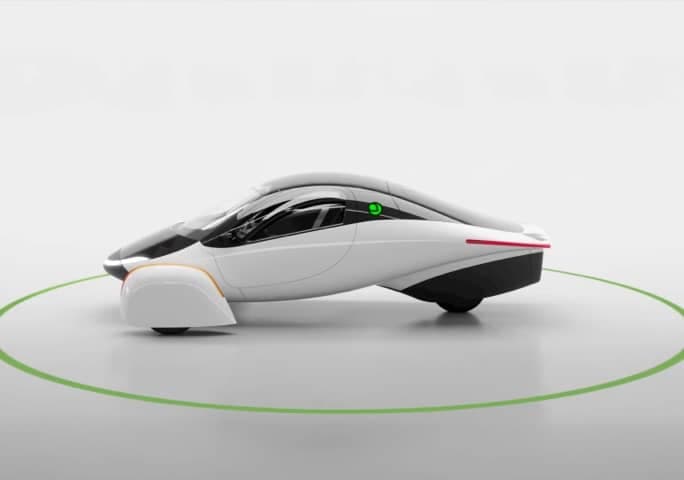
Aptera Motors set out to build one of the most energy-efficient production vehicles ever created: a solar-assisted, ultra-aerodynamic electric vehicle capable of up to 1,000 miles of range while consuming under 100 Wh/mile.
As Co-CEO Chris Anthony explains:
“The Aptera is really a brutal exercise in first principles engineering on how to make vehicles more efficient.”

This case demonstrates how early, iterative CFD combined with AI Morphing design tools can simultaneously improve performance, manufacturability, and customer experience.
The result: a vehicle that is four times more efficient per mile than the average EV.
The ChallengeMaking the Most Aerodynamic Vehicle Possible
Most OEM programs treat aerodynamics as a late-stage refinement—something optimized after core architectural decisions are already locked in. Aptera Motors made aerodynamic efficiency the foundation of the entire vehicle program.
From day one, aerodynamic efficiency defined the program, shaping every major engineering and design choice.
Anthony emphasized this early commitment:
“It’s all enabled by first making the most aerodynamic vehicle possible… and all that really started with AirShaper.”
Their targets were ambitious:
- 4× more efficient than average EVs
- Up to 1,000 miles of range
- Solar charging capability (up to 40 miles/day)
- Sub-$26,000 price point
- Lightweight architecture
- Autocycle classification benefits (U.S.)
To make this viable, the vehicle’s drag had to be minimized without compromising:
- Passenger space
- Solar surface integration
- Structural integrity
- Manufacturing feasibility
Iterative Refinement + AI Morphing
Phase 1: Baseline Aerodynamic Analysis and Iterative Refinement
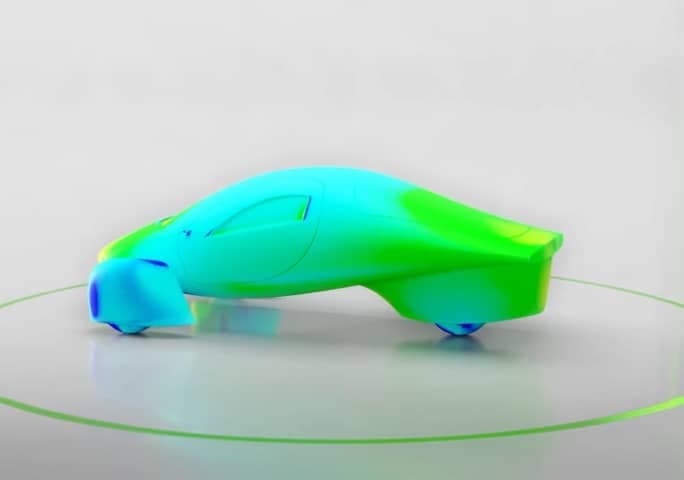
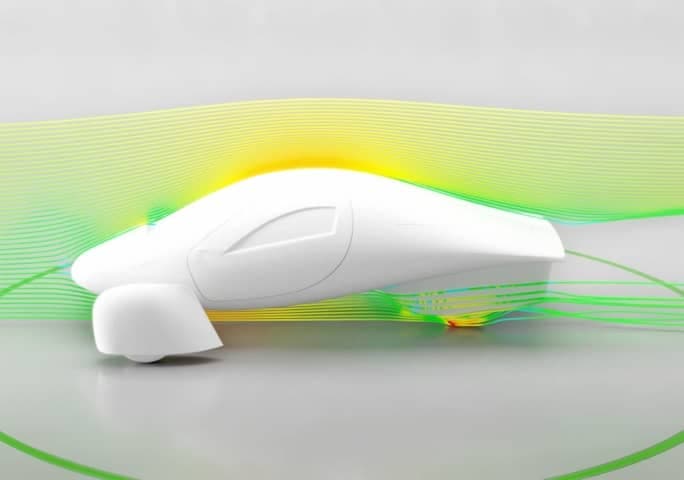
Aptera began with initial CFD simulations to establish a performance baseline.
For months, the team manually refined surfaces based on engineering intuition. While incremental improvements were achieved, they sought deeper optimization through shape optimization methods.
Phase 2: AI Morphing and Optimization
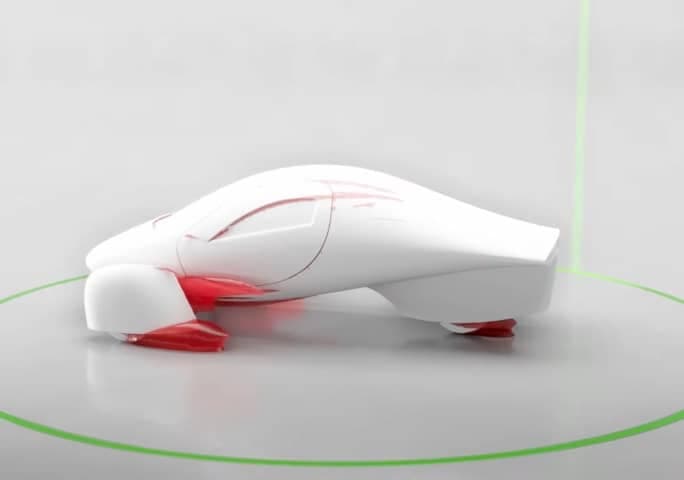
Aptera deployed our AI Morphing tool to algorithmically refine body geometry.
“…we should use some generative design to help us really refine the shape and let the computer and artificial intelligence tell us where to change the shape.”
This shift revealed non-obvious improvements in several critical areas:
1. Wheel Covers & Suspension Fairings
The highest drag region was around the front suspension and wheel covers.
AI Morphing outcomes:
- Aligned the wheel arch "chord" with the flow pattern around the nose
- Improved pressure gradients on the wheel cover surface
- Reduced suspension-related turbulence
Result: Reduced frontal pressure build-up without compromising real-world usability.



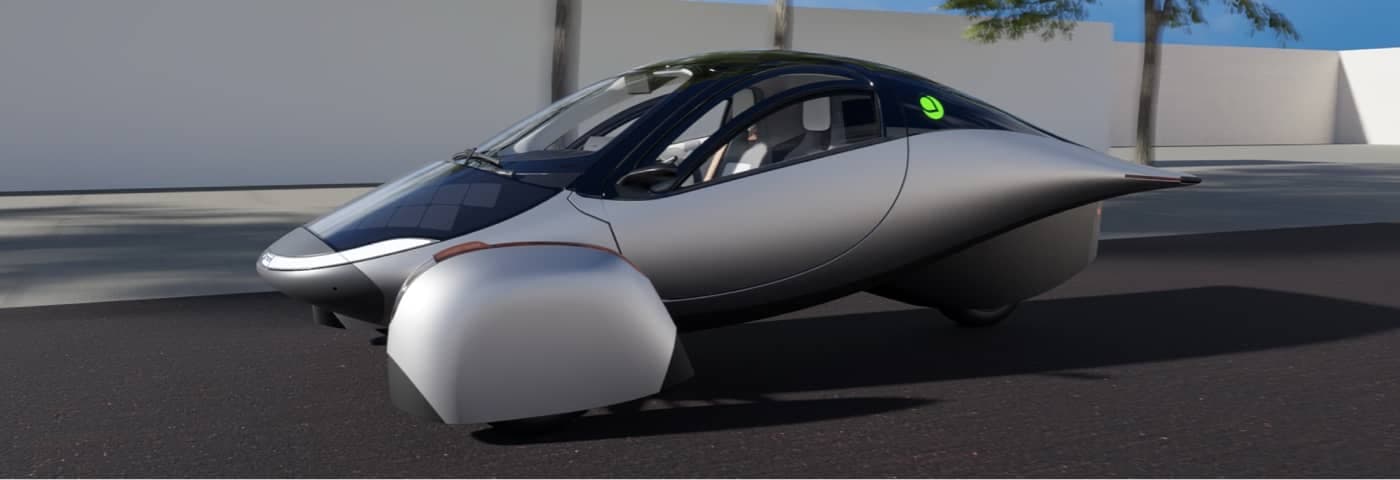
2. Nose Geometry
The generative tool recommended a sharper nose profile. While extreme changes weren’t manufacturable, the team implemented a practical refinement.
Result: Reduced frontal pressure build-up without compromising real-world usability.
3. Roof & Solar Panel Integration
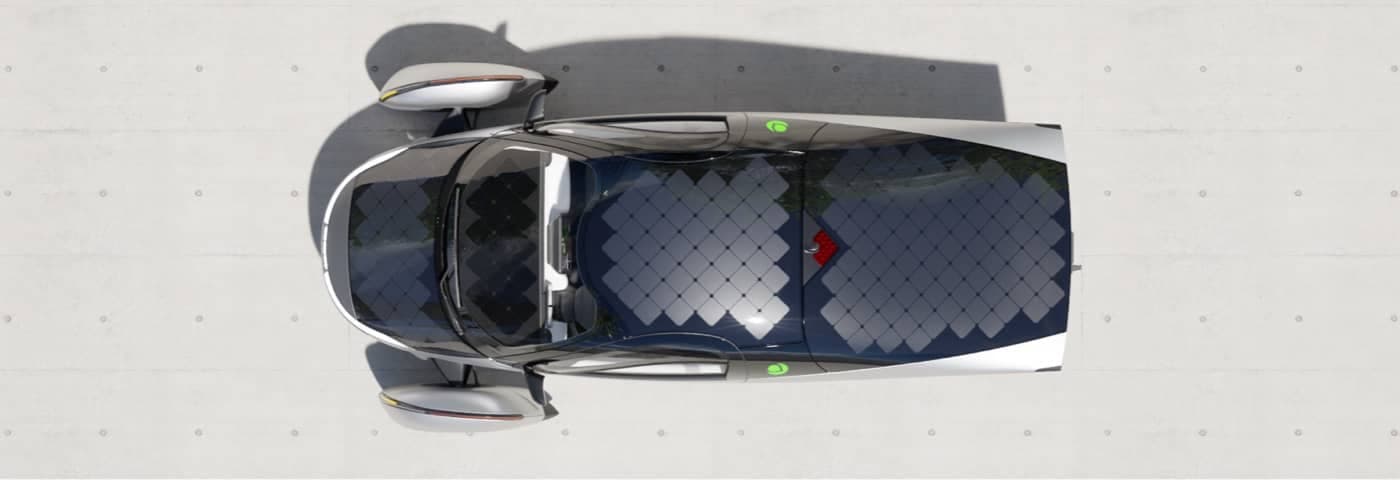
The system suggested refinements that allowed:
- A larger cabin space with more headroom
- Larger, more uniform solar surface
- Maintained aerodynamic efficiency
Result: Improved solar integration without drag penalty.
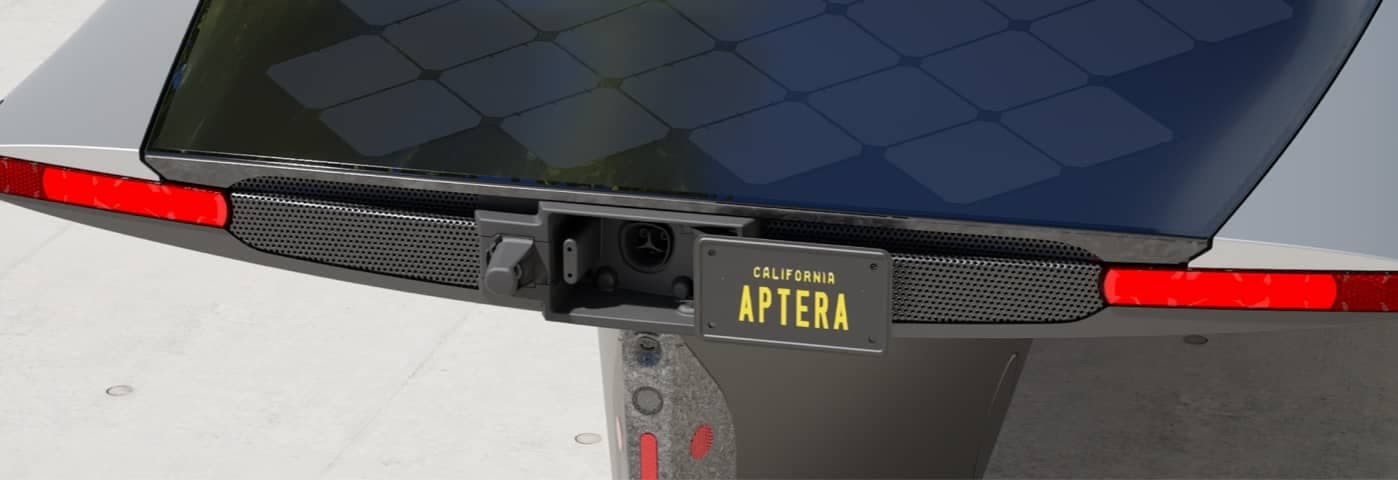
4. Tail Extension & Cross-Section Reduction
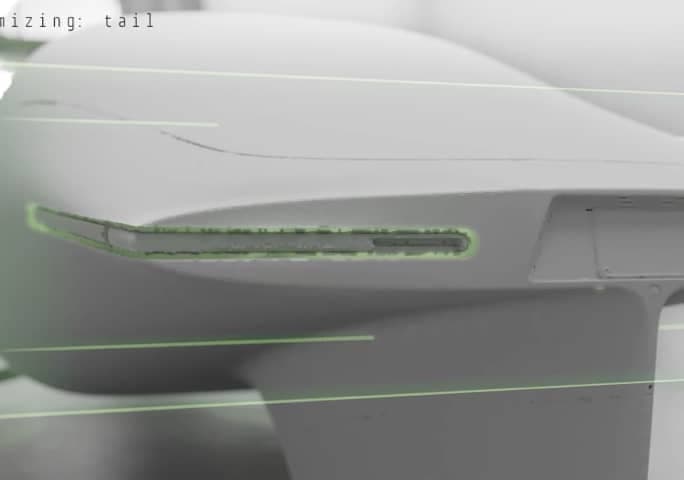
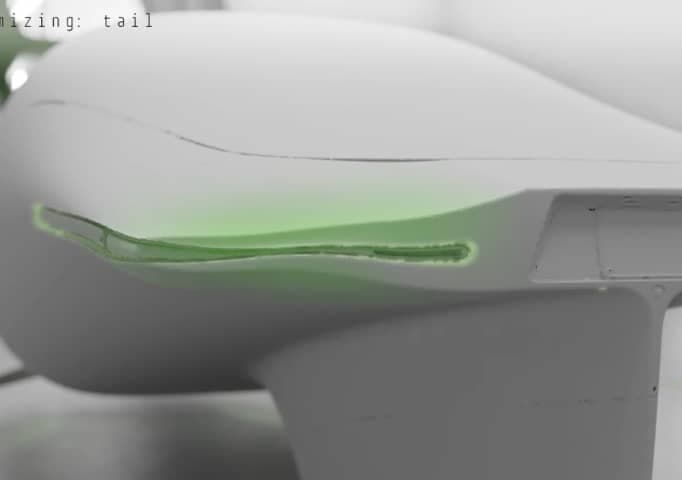
The AI Morphing tool identified that:
- Extending the tail by ~4 inches
- Reducing the cross section of the tail
- Maintain the legally required area for the license plate
Results: These changes lowered total drag, reduced cross-sectional wake size and improved pressure recovery.
Larger Vehicle, Lower Drag, Increased Range
One of the most compelling results was that aerodynamic gains did not come at the expense of space.
- ~6% reduction in drag coefficient
- Improved passenger comfort
- Increased interior volume
- Improved aerodynamic stability
- Better energy-per-mile performance
The final vehicle achieves:
- Under 100 Wh/mile consumption
- ~350 MPGe equivalent
- Up to 1,000-mile range variant
- Up to 40 miles/day solar charging capability
- Smaller battery pack requirement
Because the vehicle requires significantly less energy per mile, battery sizing—and therefore cost—could be dramatically reduced, supporting a sub-$26,000 target price point.
The project demonstrated that frontal area growth does not necessarily increase total drag when surface refinement and wake management are optimized through advanced CFD.
This directly improved usability:
“Those differences that we worked on with your team… made a big difference to the interior space. It feels way better.”
Manufacturing & Enterprise Impact
Beyond performance metrics, CFD-driven optimization delivered measurable enterprise benefits:
CFD became a central decision-making tool—not just a verification step.
Anthony summarized the broader lesson:
“It was really amazing to see that even though we’re growing frontal area, we can actually have a total drag product that’s lower because we have all these really cool design tools.”
Conclusion
Aptera Motors demonstrates how enterprise engineering teams can leverage advanced CFD and generative design to unlock compound gains across efficiency, packaging, and cost.
By treating aerodynamics as a primary design constraint—and empowering engineers with intelligent simulation tools—the result was not incremental improvement, but measurable system-level advantage.
For enterprise mobility innovators, this case shows that when simulation leads design, performance and practicality can improve simultaneously.
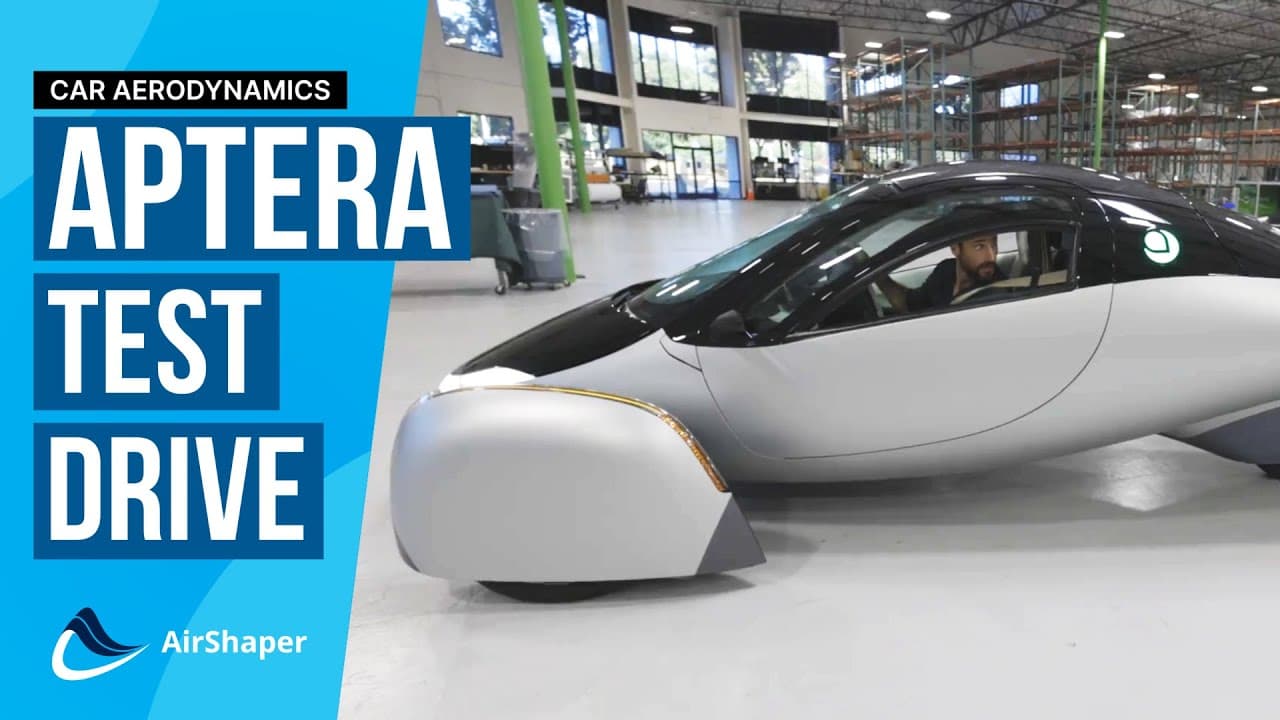
You can watch the full video here: